 Trendloop
Why 'day in my life' videos keep going viral
The 'day in my life' format keeps winning on TikTok, Reels and Shorts. Here is the psychology and the editing tricks that make people watch to the end.
Key points
- The format works because it feels personal, predictable and easy to watch to the end.
- Short-video apps reward watch time and replays more than likes.
- The best ones open with a specific hook in the first second and cut every few seconds.
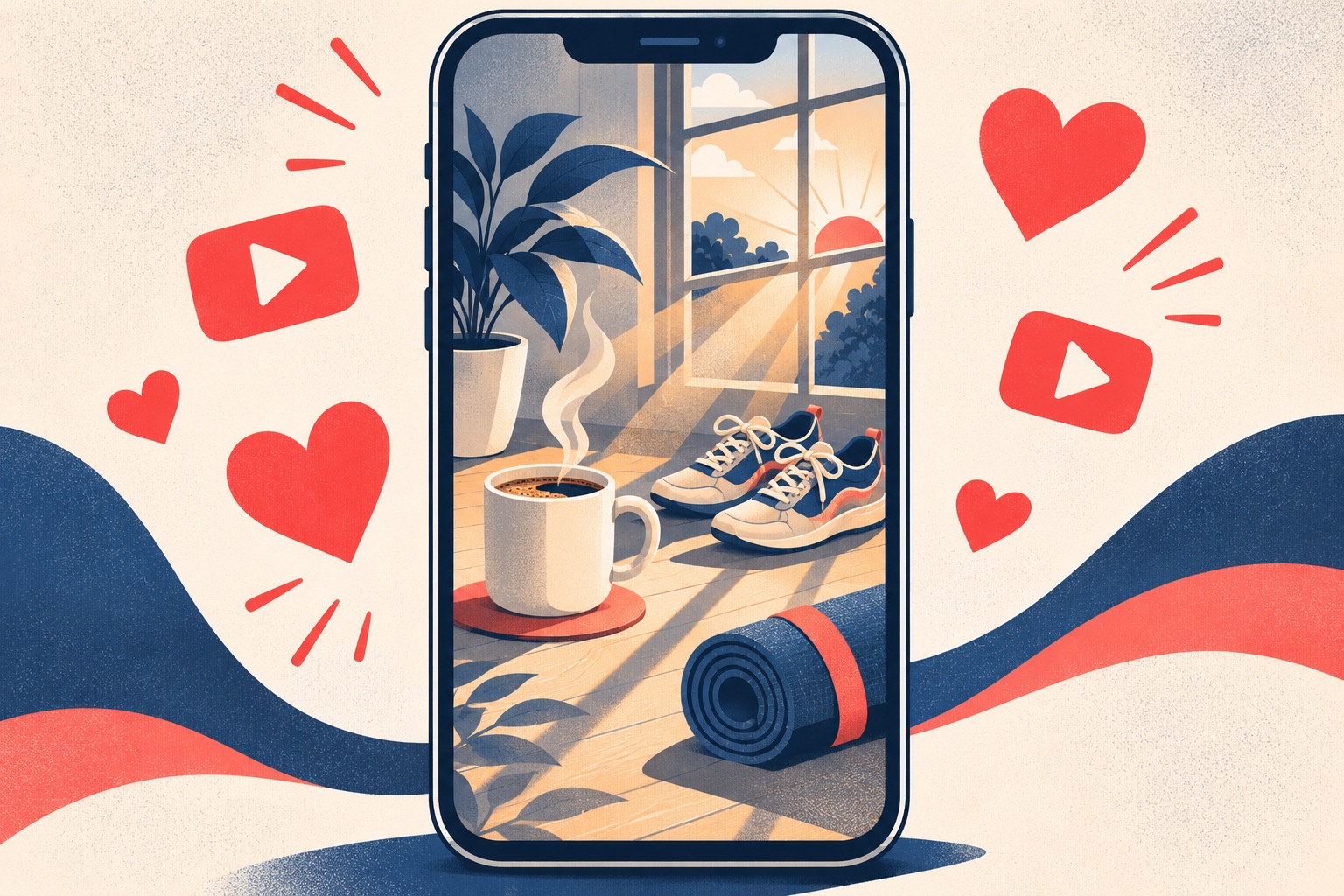
Open TikTok, Instagram Reels or YouTube Shorts on any given day and you will find someone narrating their morning: alarm, coffee, commute, desk, gym, dinner. The "day in my life" video is one of the most durable formats on short-video apps. It is not an accident.
It feels like a friend, not an ad
The format borrows the intimacy of a video call. Viewers see someone's kitchen, their messy desk, their actual lunch. That closeness builds what researchers call a parasocial bond: the feeling of knowing someone who does not know you.
People come back to people they feel they know. That is why creators who post these videos regularly see followers return, comment on small details and ask for the next one.
It is built for watch time
Short-video apps, compared in our TikTok vs Reels vs Shorts guide, rank videos largely on how much of them people watch and whether they replay them. A day-in-my-life video has a built-in reason to keep watching: the day is not over yet. Each cut promises the next moment.
The best ones also use a few reliable tricks, most of them about the first second of the video:
- A specific hook in the first second. "5am as a nurse on night shift" beats "my day".
- A cut every one to three seconds. No shot outstays its welcome.
- A small payoff at the end. A reveal, a joke or a cosy final shot that rewards finishing.
- Text on screen. Many people watch with the sound off.
It is easy to make, so the competition is huge
Anyone with a phone can film their day, which is why the format is crowded. What separates the videos that spread is specificity. A day as a lighthouse keeper, a junior doctor or a student in a new country is more interesting than a generic routine, because it shows a life most viewers will never live.
What it says about how we use social media
The format's success says something about what people want from their feeds: not just entertainment, but company. A quiet, steady video of someone else's ordinary day is oddly calming in a feed full of noise.
It also raises a question platforms are still working out. As AI tools make it easy to generate realistic footage, viewers will need ways to tell real moments from made-up ones, the same problem now facing political advertising. For now, the slightly messy, unpolished look of real life is part of what makes these videos believable.
Frequently asked questions
How long should a day in my life video be?
Most successful ones are between 20 and 60 seconds. The goal is that viewers finish the video, so shorter usually wins unless every cut adds something.
Do I need to show my face?
No. Many popular creators only show hands, objects and places. What matters is a clear hook, steady pacing and a specific detail that makes the day feel real.
Related
The first-second hook: why the opening decides a video's reach
On short-video apps, most viewers decide to stay or scroll almost instantly. Five hook patterns that keep people watching, with examples you can copy.

'Me at the zoo': what the first YouTube video still teaches creators
YouTube's first video is 19 seconds of a man in front of elephants. Why it still gets watched, and three lessons for anyone making short videos today.
TikTok vs Reels vs Shorts: where a short video travels furthest
The same 30-second clip can flop on one app and explode on another. How TikTok, Instagram Reels and YouTube Shorts find viewers, and where to post first.